

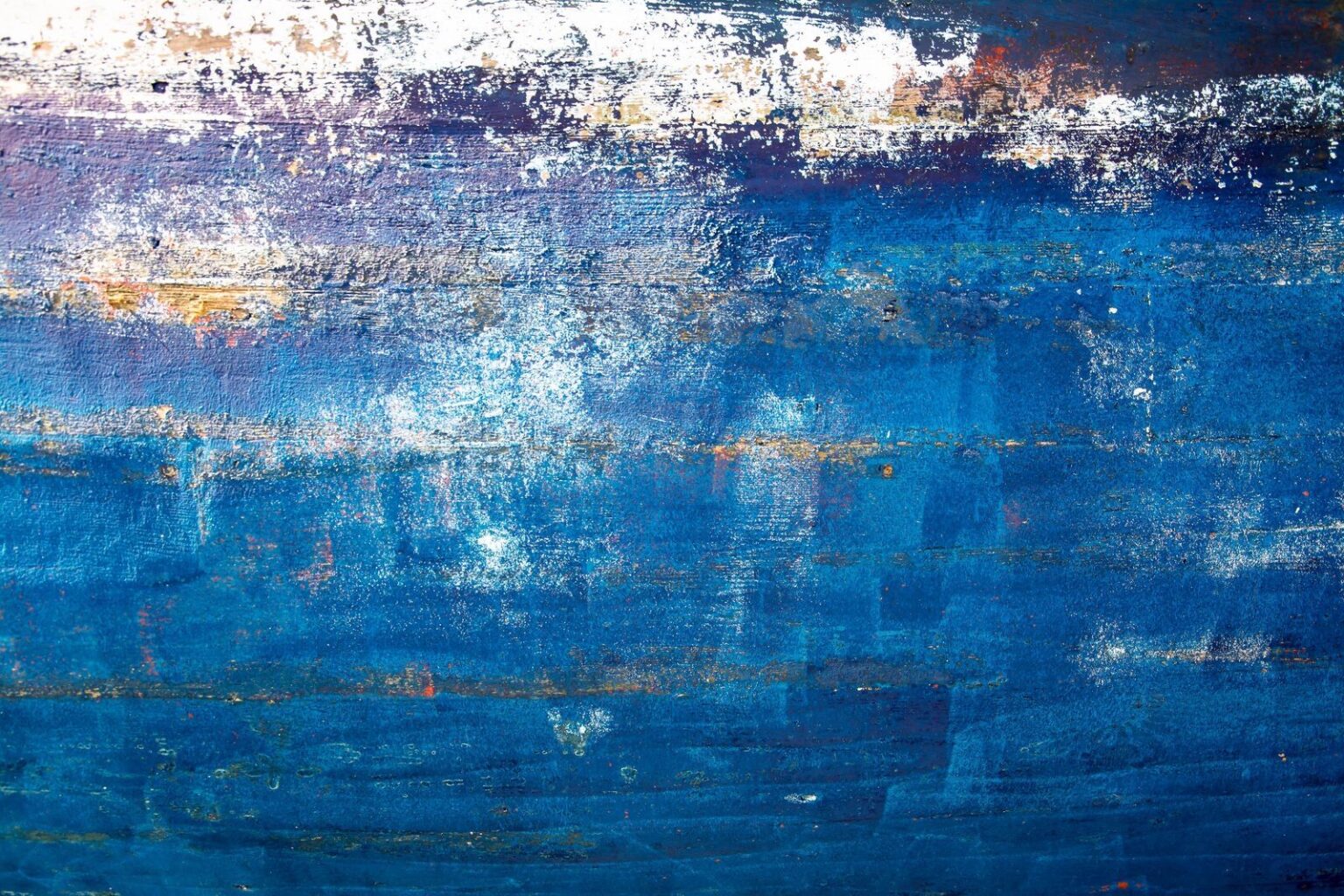
A French court has ordered British artist Stuart Semple to pay €16,000 (around $18,200) in damages for selling a blue paint called Easy Klein, inspired by the color made famous by Yves Klein. The Stuart Semple lawsuit stems from an action brought by the heirs and rights holders of the French master, who accused the artist of commercially exploiting Klein’s name and image without authorization. The ruling, handed down on what would have been the late artist’s 97th birthday, sets a delicate precedent at the intersection of trademark law, artistic legacy, and creative freedom.
Key points
- A Paris court has ordered Stuart Semple to pay €16,000 in damages for the sale of the Easy Klein paint.
- The lawsuit was filed by Blue Bay Limited, owner of the international “Yves Klein” trademark, by RUK, the company that manages the artist’s copyrights, and by Yves Amu Klein, the painter’s son.
- The court found an infringement of the trademark, copyright, and personality rights of Yves Klein.
- Semple denies all charges and has announced an appeal within two months of the ruling.
- RUK has clarified that it does not seek a monopoly over ultramarine blue as such, but opposes the use of Yves Klein’s name and image to promote competing paints.
French court rules against Stuart Semple in blue color lawsuit
The Judicial Court of Paris ruled in favor of Yves Klein’s rights holders, finding that Semple’s Easy Klein paint infringed the registered trademark linked to the name of the French artist. The decision comes after years of silence from the British painter and his company, who, according to RUK, never formally responded to the cease-and-desist letters they received.
Damages awarded and ruling on trademark infringement
The ruling orders Semple to pay €16,000 in compensation. According to a statement released by RUK, the judges found that, “by using the staging of the artist Yves Klein to market a paint of a color almost identical to the one he created, and claiming to have improved it” — Semple advertised his formula as non-toxic, unlike Klein’s original — “the defendants sought to follow in the artist’s footsteps by making improper use of his reputation.” This wording carries weight both legally and reputationally, as it explicitly links Easy Klein’s commercial strategy to the public image of the French painter.
Details of the lawsuit and parties involved
The legal action was brought by three distinct parties: Blue Bay Limited, owner of the international “Yves Klein” trademark, which also covers “paints and dyes of all kinds; blue (dyes or paints)”; RUK, the company founded by the artist’s widow, Rotraut Klein Moquay, tasked with managing copyright on his works; and Yves Amu Klein, the painter’s son. According to RUK, Semple and his company Bigger Ltd, which operates under the Culture Hustle brand, received three cease-and-desist letters between 10 January and 28 March 2022, after the company discovered the online sale of Easy Klein paints, accompanied by a photograph showing the artist’s hand covered in blue pigment, clearly echoing an iconic 1961 shot of Yves Klein. No response is said to have arrived, either from the artist or from any lawyer appointed to represent him before the French courts.
Stuart Semple’s response and artistic intentions
Semple fully rejects the accusations and has announced his intention to challenge the decision. For the British artist, Easy Klein is anything but an attempt to exploit the name of a deceased colleague: it is a personal tribute to a figure he has always admired.
Denial of wrongdoing and appeal plans
The artist has two months to appeal the Paris court’s ruling. He claims to have spent an entire decade faithfully recreating Klein’s famous blue, a project that even predates his Vantablack paint, and says he intends to continue producing Easy Klein. “Being sued for creating a paint in homage to an artist I consider a hero and a true avant-garde thinker makes me really, really sad,” Semple said, recalling how he first saw Klein’s works at the Tate as a child, when there was a print of one of his paintings at home.
Artistic tribute and packaging design
Semple also defends the ironic aspect of his paint’s packaging, which plays on the name of another famous Klein: fashion designer Calvin Klein. “The packaging I designed is obviously a parody of Calvin Klein’s CK One perfume,” the artist explained, arguing that any confusion among the public would more likely associate the product with the fashion brand than with Yves Klein’s works. He pointed out that his signature appears on the packaging: “It’s my work, I’m not pretending it’s Yves’s.” Semple describes himself as an artist committed to making colors accessible to everyone, without monopolies by individuals or companies, and says he barely breaks even from selling his paints.
RUK’s clarifications on trademark and color rights
RUK has sought to clarify the boundaries of its legal position, distinguishing between protecting the color itself and protecting the name and image of Yves Klein. This distinction has concrete implications for anyone producing or selling artistic pigments and paints inspired by colors historically associated with a particular author.
RUK’s position on ownership of the color and use of the name Yves Klein
In its statement, RUK made it clear that it does not “claim a monopoly over the deep ultramarine blue, nor seek to prevent anyone from using it,” citing as an example its collaboration with French company Ressource, which has been selling a similarly styled dark blue paint since 2018. The company stressed, however, that it does not want third parties to use “the name Yves Klein, his works, photographs depicting him, or signs similar to his trademarks to market and promote paints,” especially when these are used to create copies of the artist’s works. This is not the first time Semple has found himself at the center of a color dispute: in the past he has clashed with Anish Kapoor over rights to Vantablack and with toy giant Mattel over Barbie Pink, and he has launched his own version of the holo, the color visible only through laser stimulation experimented with by researchers at the University of California, Berkeley.
For the art market, the case raises an issue that goes beyond the individual damages award: to what extent a color historically tied to an artist’s work can become the object of commercial protection without stifling the production of materials for painters and creatives. For collectors and auction houses dealing in works by Yves Klein, the ruling strengthens the identity and symbolic value attached to his name, confirming how central the management of the artist’s brand and image remains to the protection of his legacy.
FAQ
Why was Stuart Semple ordered to pay damages?
The French court found that Semple’s Easy Klein paint infringed the trademark and personality rights of Yves Klein.
Who filed the lawsuit against Stuart Semple?
The lawsuit was brought by Blue Bay Limited, by RUK, and by Yves Amu Klein, son of Yves Klein.
Do the heirs claim ownership of the blue color itself?
RUK has clarified that it does not claim a monopoly over deep ultramarine blue, but opposes the use of Yves Klein’s name and image to promote paints.
What is Stuart Semple’s response to the ruling?
Semple denies all accusations, has announced his intention to appeal, and maintains that his paint is a tribute to Yves Klein, not an attempt to exploit his name.
Read also: The Supreme Court opens the way to the construction of the new White House ballroom · Capodimonte blocks the export: acquisition of Corot painting for 600,000 euros
Content created with the assistance of artificial intelligence and with human editorial review.


