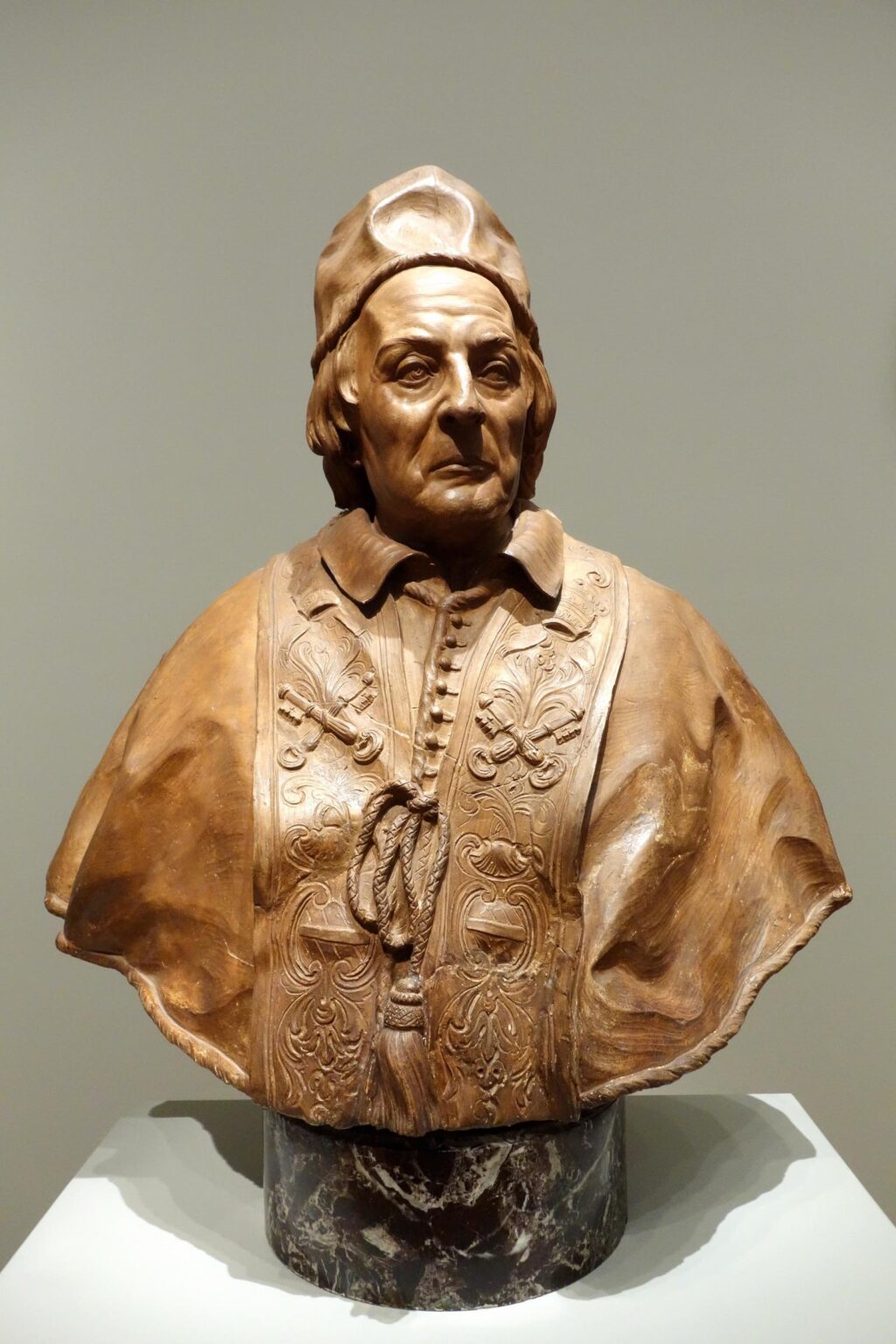
The sale of Bouchardon’s bust, an 18th‑century sculpture found being used as a doorstop in a shed, risks ending up in the hands of a foreign buyer.
Key points
- The bust was bought for £5 in 1930: according to one source by the Scottish Highland Council, according to another by Invergordon Town Council. It was later lost and the Highland Council rediscovered it in the 1990s.
- In 2024 the Council obtained the green light to sell the work for £2.5 million ($3 million), destined for public programmes for Invergordon.
- The bust is now valued at over £3 million and the Invergordon Naval Museum and Heritage Centre must raise £3.1 million by 1 December to buy it.
- The museum has been denied heritage grants and accuses the Council of having “broken the system”.
- If the fundraising effort fails, the bust could be sold to a foreign buyer.
The bust, valued at more than £3 million, is contested between the Scottish Highland Council and the small Invergordon Naval Museum and Heritage Centre. The museum has until 1 December to raise the necessary funds.
History and ownership of Bouchardon’s bust
The bust depicts Sir John Gordon, a Scottish landowner and MP, sculpted in Rome in 1728 by the French artist Edmé Bouchardon, whose works are also displayed at the Louvre in Paris and at the J. Paul Getty Museum in Los Angeles. According to one source, the work was purchased for £5 in 1930 by Invergordon Town Council, while another attributes the purchase to the Highland Council in the 1930s; today it is an asset administered by the Highland Council on behalf of the Invergordon Common Good Fund.
The bust then ended up forgotten in a municipal depot and, according to reports, was even used to prop open the door of a garden shed. The Highland Council found and recovered it in the 1990s, after it had been missing for decades.
Approval and purpose of the sale of Bouchardon’s bust
In 2024 councillors approved the sale of the Bouchardon bust, with the aim of allocating the proceeds to a community fund for Invergordon, the town founded by the Gordon family itself. The Council aims to raise £2.5 million (around $3 million) to invest in local public programmes.
The Highland Council maintains that it has followed the required legal procedure, including a public consultation in which the majority of respondents declared themselves in favour of the sale. It also obtained authorisation from a local court, the sheriff court, without any objections being raised during the proceedings.
Efforts and difficulties of the Invergordon Naval Museum
The Invergordon Naval Museum and Heritage Centre, a small local institution, wants to buy the bust to keep it in the town to which it historically belongs, but is struggling to raise the necessary amount.
Since August the museum has been reporting difficulties in securing funds after being refused grants for cultural heritage. A report for the next meeting of the Black Isle and Easter Ross committee of the Highland Council indicates that the museum must raise £3.1 million by 1 December to complete the purchase.
1 December deadline and fundraising
To try to bridge the gap, the museum’s trustees have launched an online fundraising campaign and asked for the direct intervention of Scottish ministers.
Possible developments and controversies
The sale of Bouchardon’s bust remains on hold, pending the museum finding the funds by the deadline set by the Council.
Risk of sale to foreign buyers
If the museum fails to find the full amount by 1 December, the Highland Council will be able to proceed with the sale to a foreign buyer. A temporary export ban is currently protecting the bust, intended precisely to give the museum the opportunity to make an offer before the work leaves the United Kingdom.
The museum’s criticism of the Council
“The Highland Council’s rush to monetise a common asset has completely broken the system,” a museum spokesperson said, adding that the community is being punished for a sales process that the spokesperson himself describes as unethical.
The spokesperson highlighted the paradox of having to raise more than £3 million to buy back an asset they already consider their own, while being excluded from public funds designed precisely to safeguard this kind of heritage. The Scottish government has confirmed that it is aware of the concerns raised and is in contact with the parties involved, in compliance with the consultation obligations laid down by the Community Empowerment (Scotland) Act 2015.
As of today the bust remains unsold and its fate depends on the ability of the small museum to compete, in a few weeks, with the international art market for a work that its town considers part of its own history.
Read also: The bust by Thorvaldsen at the Getty Museum is the only known version in marble · Capodimonte blocks the export: acquisition of Corot painting for 600,000 euros
Content produced with the assistance of artificial intelligence and with human editorial review.