The art market in Asia is experiencing a phase of strategic repositioning, between new demand from collectors and important management choices by major auction houses.
Who is Masumi Shinohara and how did he come to lead Sotheby’s in Asia?
In April 2024, Masumi Shinohara, Japanese by birth and raised in France, joined Sotheby’s Japan after a long career in luxury. Previously, he had overseen Valentino‘s activities in Japan and Korea for three years, following experiences in groups like Mitsubishi, L’Oréal, and Ermenegildo Zegna.
Before completing a year in the new role, he was promoted to CEO for Asia, succeeding Nathan Drahi, son of Sotheby’s majority owner, Patrick Drahi. The appointment comes at a time of profound transformation for the global industry.
The context is that of a market showing signs of recovery after nearly three years of contraction. In 2024, Sotheby’s and Christie’s recorded an increase in overall sales, but the autumn evening auctions in Hong Kong did not meet expectations.
How has luxury influenced Shinohara’s vision?
Shinohara tells Artnet that he has always perceived the auction world as deeply intellectual and, at the same time, very human. In his view, it is a field where knowledge, passion, and relationships generate extraordinary results, combining heritage storytelling and market dynamics.
However, his relationship with art began well before his career in luxury. Born in Japan, he grew up in Paris, where he lived for a total of 23 years. His father, fascinated by French culture, took him as a child to Giverny, Auvers-sur-Oise, Barbizon, and Florence.
In the family, there were daily discussions about exhibitions, with a particular focus on Impressionism and modern art. In the 1980s and 1990s, his father managed a business in Paris linked to brands like Christian Dior and Fendi, which allowed the future executive to attend fashion shows.
When contacted by Sotheby’s, Shinohara felt as if the different “dots” of his path were connected. His personal experiences with art intertwined with what he had learned in luxury: valuing heritage, craftsmanship, storytelling, and client relationships.
How has Hong Kong changed with the new auction venues?
The year 2025 marked a turning point for the auction market in Asia. The three major international houses, including Sotheby’s, were able to organize live sales in their own spaces in Hong Kong, moving beyond the model of large sessions concentrated twice a year in external venues.
With the opening of Sotheby’s Maison in the heart of Central, the house can plan a complete annual calendar. Additionally, the permanent spaces allow for a more articulated program of thematic and curated sales, with greater flexibility.
An example is the sculpture exhibition “Corpus—Three Millennia of the Human Body“, set up during the Art Basel Hong Kong 2024 week. The initiative attracted numerous international collectors present in the city for the fair.
Now lots can be displayed for two or three weeks before the auction, while maintaining an offering dedicated to clients who prefer the privacy of private sales. In 2025, the volume of these transactions grew by nearly 40 percent year-on-year.
More than 70 percent of new buyers came to the house precisely through private sales. Additionally, the influx guaranteed by the central location generated an average monthly sales growth, both private and retail, of 10 percent compared to 2024.
What is the current state of the art market in Asia?
Shinohara expresses confidence for the coming months, in light of the results in Hong Kong, where 2024 saw the highest number of new bidders in the past 14 years. This is a significant signal for the entire area.
Moreover, Asian collectors are increasingly participating in global auctions. In November 2024, about a third of the bids in the flagship New York sale came from buyers in the region, with cross-category involvement.
An emblematic case is the purchase by Valuence Japan Inc. of the so-called “Original Birkin” at an auction in Paris, for 10 million dollars. It is the most expensive bag ever sold at auction, indicative of the strength of Asian demand for exceptional items.
Sotheby’s Asia also achieved the record for the most valuable artwork sold on the continent in 2024. It is an ancient calligraphic scroll by Rao Jie, sold for 250 million Hong Kong dollars (equivalent to 32 million dollars).
That said, not all macro-auctions met expectations, particularly the evening sales in Hong Kong. This suggests a selective market, where exceptional top lots still attract strong competition, while other segments are more cautious.
Which Asian areas offer the greatest potential today?
For Shinohara, the priority is to strengthen geographic coverage and client relationships in the area. Mainland China still represents a significant source of opportunities, despite the phase of economic adjustment.
Additionally, Southeast Asia is emerging as a dynamic region, with particular attention to Thailand and Singapore. In these countries, the number of family offices has grown, which can become key interlocutors for collecting and investing in collectible assets.
At the same time, activities from Japan and Taiwan are increasing. These markets, often considered mature, are showing renewed interest in international auctions and diversifying collections.
How do new Asian collectors behave?
According to Shinohara, it is difficult to speak of a single Asian profile, given the area’s extreme heterogeneity. However, observing habits reveals some shared trends and interesting differences between various countries.
Young Japanese collectors often tend to start with watches or local contemporary art, then move on to other categories. In China, on the other hand, the first step often involves Chinese art pieces before any potential expansion.
In Southeast Asia, interest in national artists prevails. In Vietnam, for example, many start with Le Pho, while in Indonesia, the entry point is often represented by Christine Ay Tjoe. Only later do they move on to other fields.
However, there is a common denominator: the tendency towards cross-category collecting. In Asia, it is much more widespread than in Europe and the United States, with collectors combining modern, contemporary art, design, historical objects, and luxury goods into a single coherent whole.
How does Sotheby’s reach future collectors?
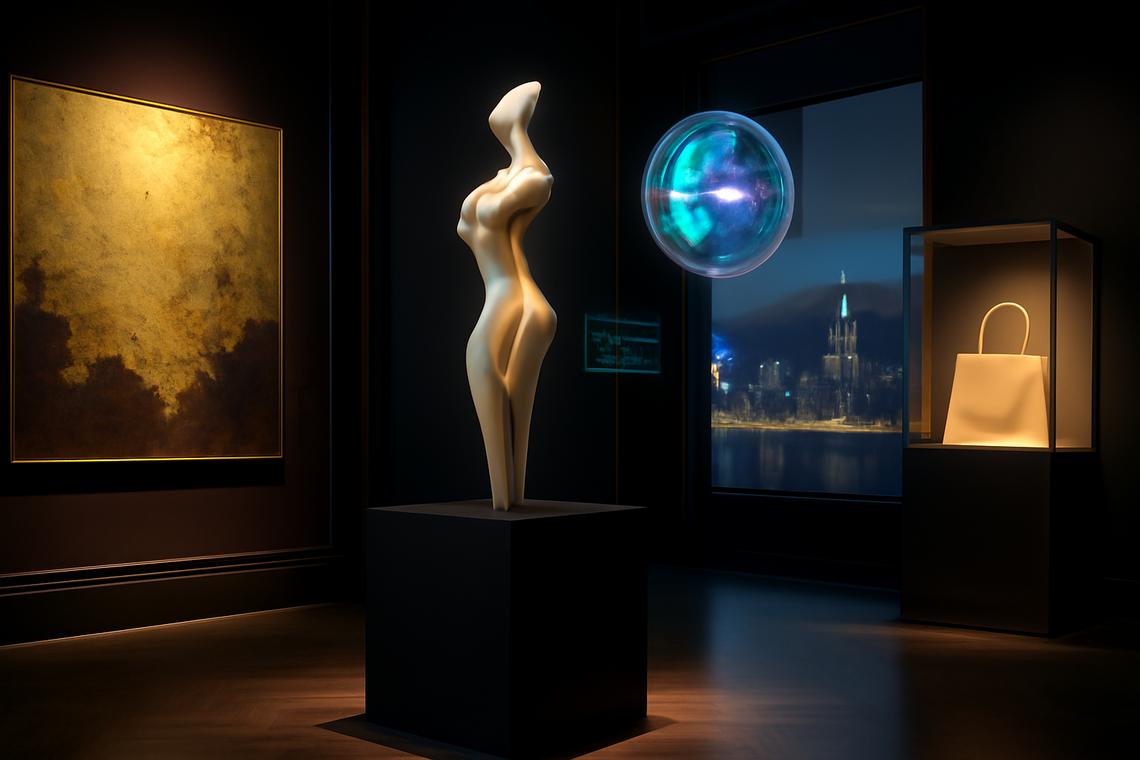
The strategy developed for the art market in Asia at the Maison aims to reach future major collectors through multiple channels. The Hong Kong spaces are set up by mixing modern and contemporary art, Chinese art, 19th-century furniture, and books, to propose a “lifestyle” vision of collecting.
Additionally, initiatives such as dedicated masterclasses have been launched, organized in the new spaces. The house has also embarked on a tour at various family offices, presenting the record Birkin and works from other categories, with the aim of illustrating the cross-category nature of the offering.
Compared to a more traditional model, this approach aims to encourage discovery paths and connections between different categories. In this way, a watch enthusiast can approach modern painting, or a Chinese art collector can approach contemporary photography.
What role will luxury and alternative objects play in the art market in Asia?
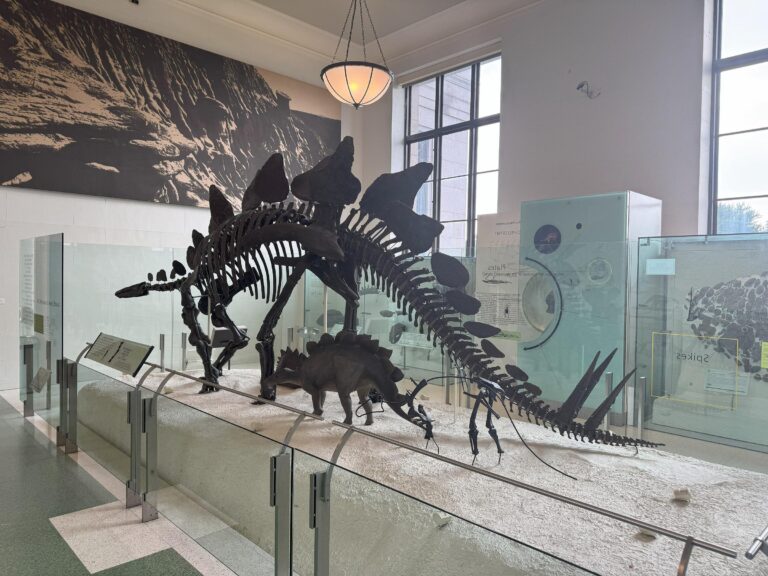
Shinohara recognizes the great potential of categories such as luxury, iconic bags, or even dinosaur fossils. However, he rejects the idea of a structural shift from art to these segments just because they are currently performing well.
For Sotheby’s, the different categories are considered complementary. Luxury items represent a strong growth engine, but art maintains a central role in the auction house’s identity and the global collecting ecosystem.
Overall, the image of a selective Asian market emerges, more mature and articulated than in the past, but still expanding. The challenge for international operators is to accompany this evolution, intercepting new generations while also valuing the historical depth of collections.