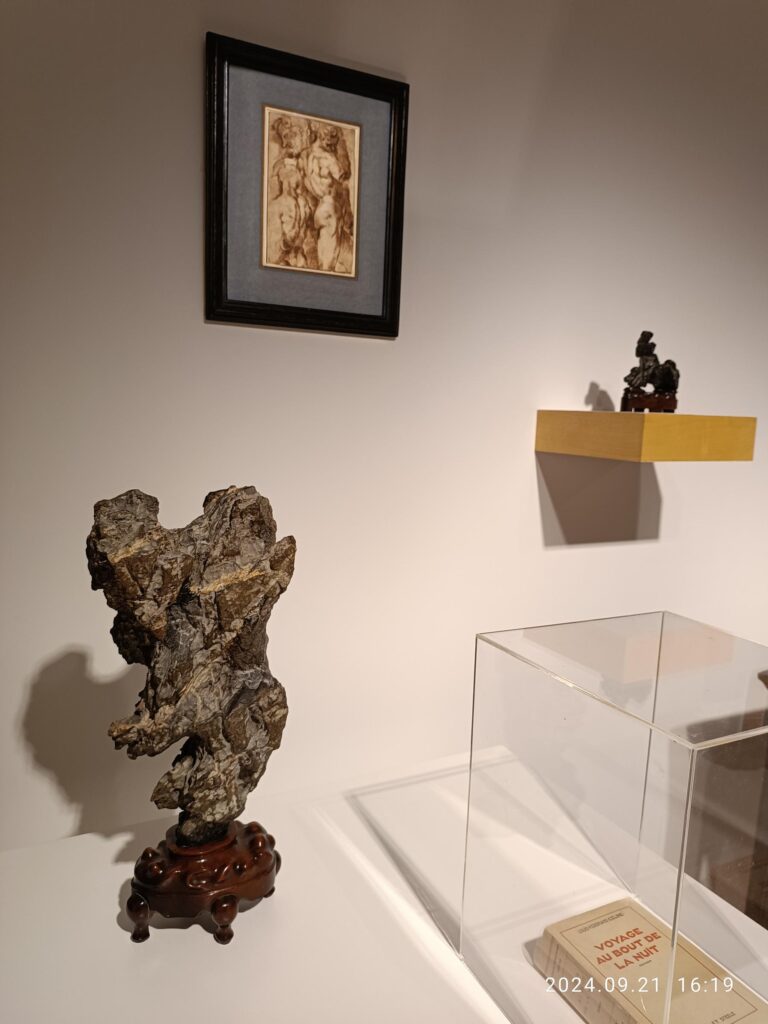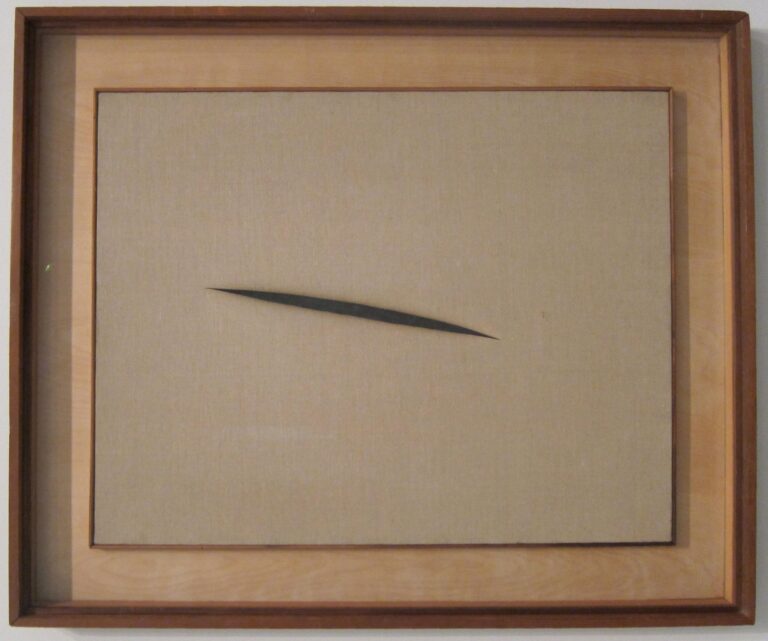
Young collectors are rediscovering ancient art, attracted as much by history as by price accessibility. In this piece, we analyze the reasons behind the phenomenon and the role of Frieze Masters in connecting past and present.
Why do young people choose ancient art?
What signals are emerging among young collectors?
According to Emanuela Tarizzo, the new director of Frieze Masters, the growth of interest is not coincidental. She observes that museums, in recent years, have pushed to explore historically overlooked authors, bringing new attention to the market.
Moreover, the narrative that a work carries with it fascinates younger collectors greatly. As Tarizzo says: “What always fascinates me is the powerful narrative of art.” This cultural drive coexists with a generational transfer of wealth and changes in taste towards more eclectic interiors.
How does the interview connect ancient and contemporary art?
Tarizzo highlights the practice of cross-collecting: young people mixing ancient, modern, and contemporary in their homes.
In this sense, the dialogue between different periods is not only possible but desired. She states that many visitors approach historical art almost by chance, often starting with contemporary and discovering past works that strike them.
What examples of affordable Old Masters works attract interest?
A recurring point in the interview concerns prices. Tarizzo emphasizes that many works are not reserved for a few: “The answer is yes. These works are on the market, and prices range from about £5,000 or £10,000.” Therefore, there are affordable Old Masters works that can constitute the first step for new collectors, including young Italian collectors.
Where to buy ancient art and how to start a collection?
How to start an art collection with a limited budget?
To start with a limited budget, Tarizzo suggests talking to younger gallerists and visiting fairs where the audience is varied. Additionally, attending fairs allows seeing many proposals side by side. Frieze Masters, held at Regent’s Park from October 15 to 19, is cited as an example: here, 137 galleries from 27 countries will be present, offering a wide range of works and price ranges.
What reliable sources are cited in the interview?
Tarizzo shares her experience as a gallerist, as a former director of the Tomasso gallery in London, and invites newcomers to interact with dealers.
Galleries can guide on value, provenance, and conservation. Additionally, market reports like the Artnet Mid-Year Intelligence highlight tangible trends: for example, auction sales of Old Masters rose by 24% in the first half of the year, a figure that confirms renewed interest (Artnet Mid-Year Intelligence Report).
What practical steps to evaluate authenticity and provenance?
It is essential to request provenance documentation and, when possible, scientific opinions. Moreover, Tarizzo warns to pay attention to export and regulations. In summary, buying in recognized contexts and consulting with professionals reduces risks.
What role do emerging historical art galleries play?
Emerging historical art galleries play a key role. According to Tarizzo, young dealers bring new energy and connections with peer collectors. Frieze Masters includes twenty first-time exhibitors, such as Jeremy Scholar (2023) and Champ Lacombe (2021), indicating a more dynamic scene.
Frieze Masters London: role and opportunities for the young
Frieze Masters London: what does it offer to Tarizzo and the young?
Tarizzo, 37, describes the fair as a place where «you see a different audience», not just established collectors. Frieze Masters puts ancient artifacts and 20th-century works in dialogue, fostering unexpected encounters.
The program also includes two notable curated sections: the Studio, curated by Sheena Wagstaff with Margrethe Troensegaard, and the Spotlight, curated by Valerie Cassel Oliver.
137 participating galleries: what does it mean for accessibility?
The variety of the 137 galleries increases the chances of finding works suitable for different tastes and budgets.
Therefore, accessibility is not only economic but also cultural. Visitors can compare offers, talk to dealers, and discover how to integrate ancient art with personal design or contemporary collections.
Curators Studio and Spotlight: how do they influence choices?
The curated sections offer rediscovery and contextualization. For example, Spotlight focuses on rediscovered artists like Cildo Meireles and Novera Ahmed, while Studio presents contemporary artists who dialogue with the past, creating useful bridges for young people who want to better understand the relationships between ancient and contemporary art.
Practical aspects, risks, and next steps
Export, regulations, and taxes: what to check?
Before purchasing, it is important to verify national regulations on cultural goods and export constraints. Additionally, considering taxes and import costs is essential for a correct investment evaluation.
How to evaluate authenticity and provenance?
Requesting certificates, checking provenance, and consulting specialists are indispensable practices. For young collectors, learning to ask the right questions can make a difference.
What practical advice for conservation and insurance?
Finally, taking care of conservation and taking out adequate insurance policies protects the work over time. Small investments in conservation often preserve value and beauty.
In conclusion, the renewed interest in Old Masters is not an isolated phenomenon. Rather, it emerges from a combination of cultural, market, and generational factors.
Frieze Masters, from October 15 to 19, appears today as a useful platform for those who wish to start. To delve deeper into the market framework and the numbers mentioned, see the official page of Frieze Masters and the report by Artnet.