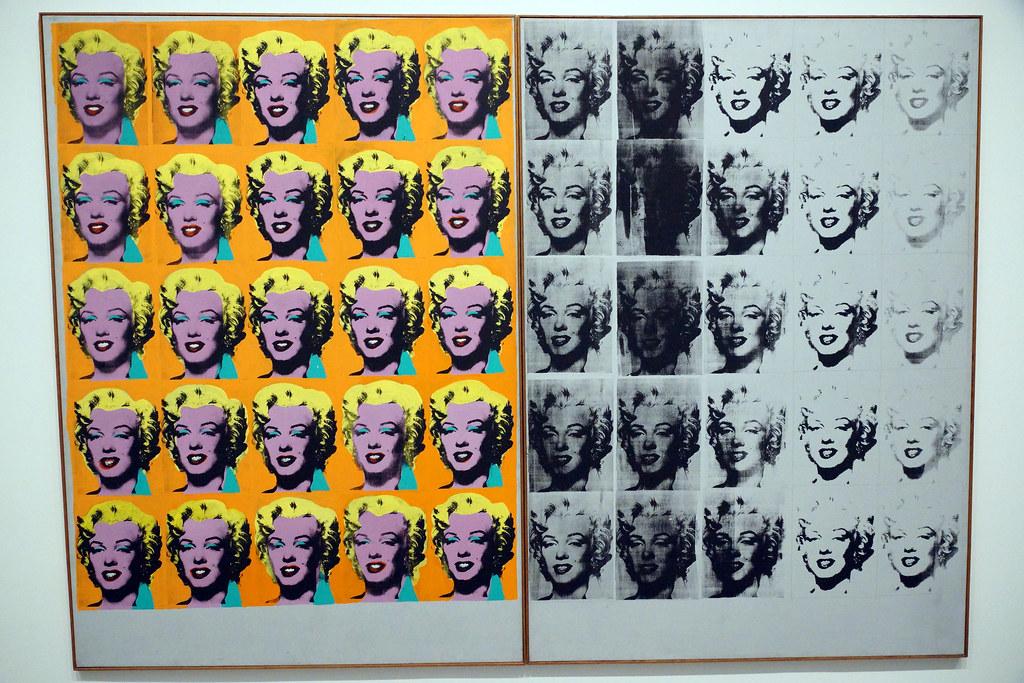
A Miami gallery owner sold fake paintings while passing them off as original Andy Warhols, taking in over $2.5 million. Leslie Roberts, former owner of the Miami Fine Art Gallery in the Coconut Grove neighborhood, received a 46‑month prison sentence on October 2.
Key points
- The sentence of Leslie Roberts for art fraud amounts to 46 months, handed down on October 2 in a federal court.
- Roberts admitted to selling fake works for more than $2.5 million, with a plea deal that led to the dismissal of money‑laundering charges.
- Accomplice Carlos Miguel Rodriguez Melendez, who pretended to be an employee of the Phillips auction house, was sentenced to one year of probation.
- Roberts is reportedly cooperating with federal authorities: several search warrants have already been issued, but so far no arrests.
- A civil lawsuit filed by collector Richard Perlman over counterfeit Warhol works was settled out of court during 2026.
The sentence for selling fake Warhols
U.S. District Judge Roy Altman sentenced Roberts to three years and ten months in prison, a term at the lower end of the range recommended by the federal government, between 46 and 57 months. In addition to prison, the judge ordered Roberts to pay back nearly $2.6 million obtained through deception.
Roberts had used falsified authentication documents, forged stamps, and counterfeit identification numbers to convince buyers that the paintings came directly from the Andy Warhol Foundation. This was revealed by a 2025 investigation that led to the gallerist’s indictment.
On June 10, Roberts pleaded guilty to conspiracy to commit wire fraud, admitting to fake art sales totaling more than $2.5 million. The plea agreement with prosecutors provided for the dismissal of additional money‑laundering charges.
The scheme with fake certificates and bogus experts
To make the scam credible, Roberts forged the signatures of authorized representatives of the Andy Warhol Art Authentication Board and used fake identification numbers from the foundation. He had also involved Carlos Rodriguez Melendez, tasked with posing as an employee of a New York auction house and falsely authenticating the works, concealing their counterfeit nature.
Rodriguez Melendez pleaded guilty last year to conspiracy to commit wire fraud and was sentenced to one year of probation.
The U.S. Attorney for the Southern District of Florida, Jason A. Reding Quiñones, stated that Roberts exploited the trust that collectors place in art dealers and in the authenticity of the works they purchase. He added that the sentence sends a clear message: fraud is still fraud, whether it happens on Wall Street or in an art gallery. Brett D. Skiles, the FBI special agent in charge in Miami, also stressed that art fraud undermines confidence in the legitimate market and harms buyers who rely on the authenticity of what they purchase.
Cooperation with federal authorities and ongoing investigations
Roberts’s defense attorney, Jason Wandner, called the sentence “fair and reasonable,” emphasizing that it is at the lower end of the range indicated by the federal government. Wandner hopes that the sentence can be further reduced thanks to his client’s cooperation with investigators.
“We had asked that it be lowered,” Wandner told The Art Newspaper. “The court made it clear that it will consider mitigating factors and cooperation at a later stage, which is entirely understandable.”
Referring to a sentencing memorandum dated September 24, Wandner explained that Roberts is assisting federal authorities in exposing other art frauds. His in‑depth knowledge of the art world, according to the lawyer, has proved useful to the government in investigating a network of fake art dealers spread across the country.
Wandner did not provide specific details about the nature of this cooperation, stating that they will be clarified in the future. He did confirm, however, that several search warrants have been issued on the basis of information provided by Roberts, although no arrests have been made so far.
“My client’s significant efforts have been crucial to the government’s exposure of this network,” Wandner added. “We are waiting for the court to have all the information about his contribution to the authorities.”
Richard Perlman’s civil lawsuit and the out‑of‑court settlement
Roberts, who already had previous legal troubles before this sentence, is also involved in a civil lawsuit brought by collector Richard Perlman and his family against a group of people who allegedly supplied the gallerist with the counterfeit Warhols.
The Perlmans’ suspicions were raised in 2024, when the family filed another lawsuit against Roberts, claiming they had been defrauded of $6.7 million. The complaint came after an appraisal by the Christie’s auction house determined that the Warhols sold by Roberts were fake, triggering a direct confrontation with the gallerist.
At that point, Roberts sent the Perlmans men who posed as experts from the Phillips auction house. The family discovered the scam only by contacting the auction house directly. That lawsuit was settled out of court during 2026.
It remains to be seen whether the investigations launched thanks to Roberts’s information will lead to new arrests, and whether his cooperation with investigators will actually result in a reduced sentence, as his lawyer hopes.
Read also: The Brent Sikkema murder case: life sentence for the husband · The major art fairs cost at least 30% more: is gallery participation still holding up?
Content produced with the assistance of artificial intelligence and human editorial review.