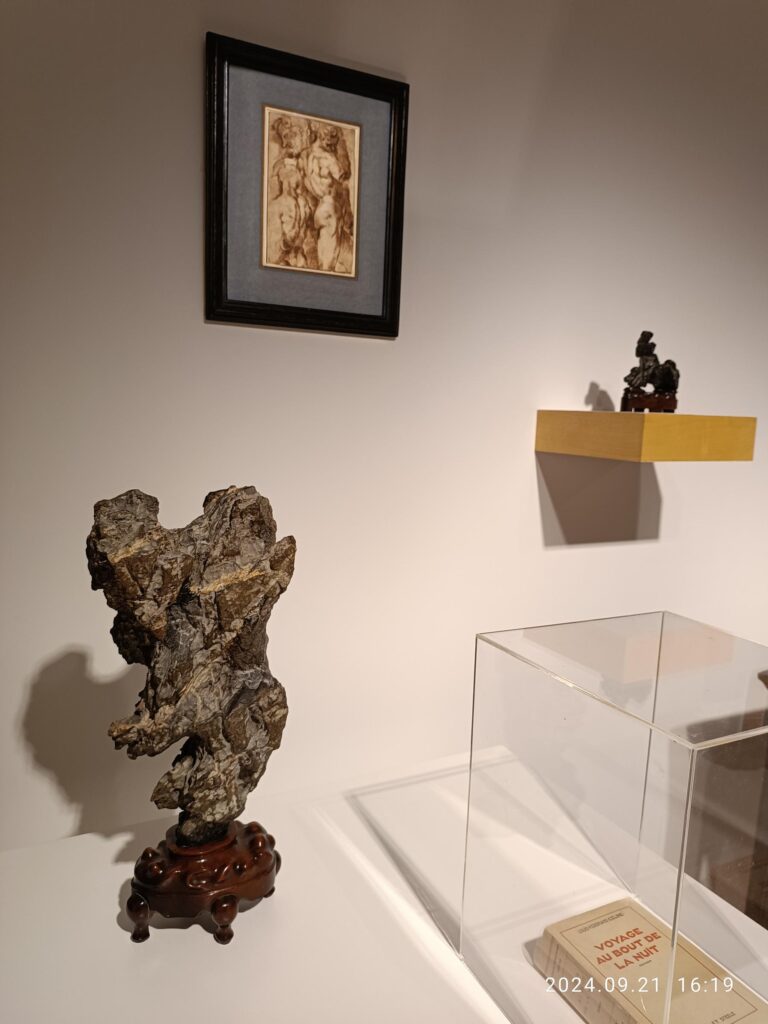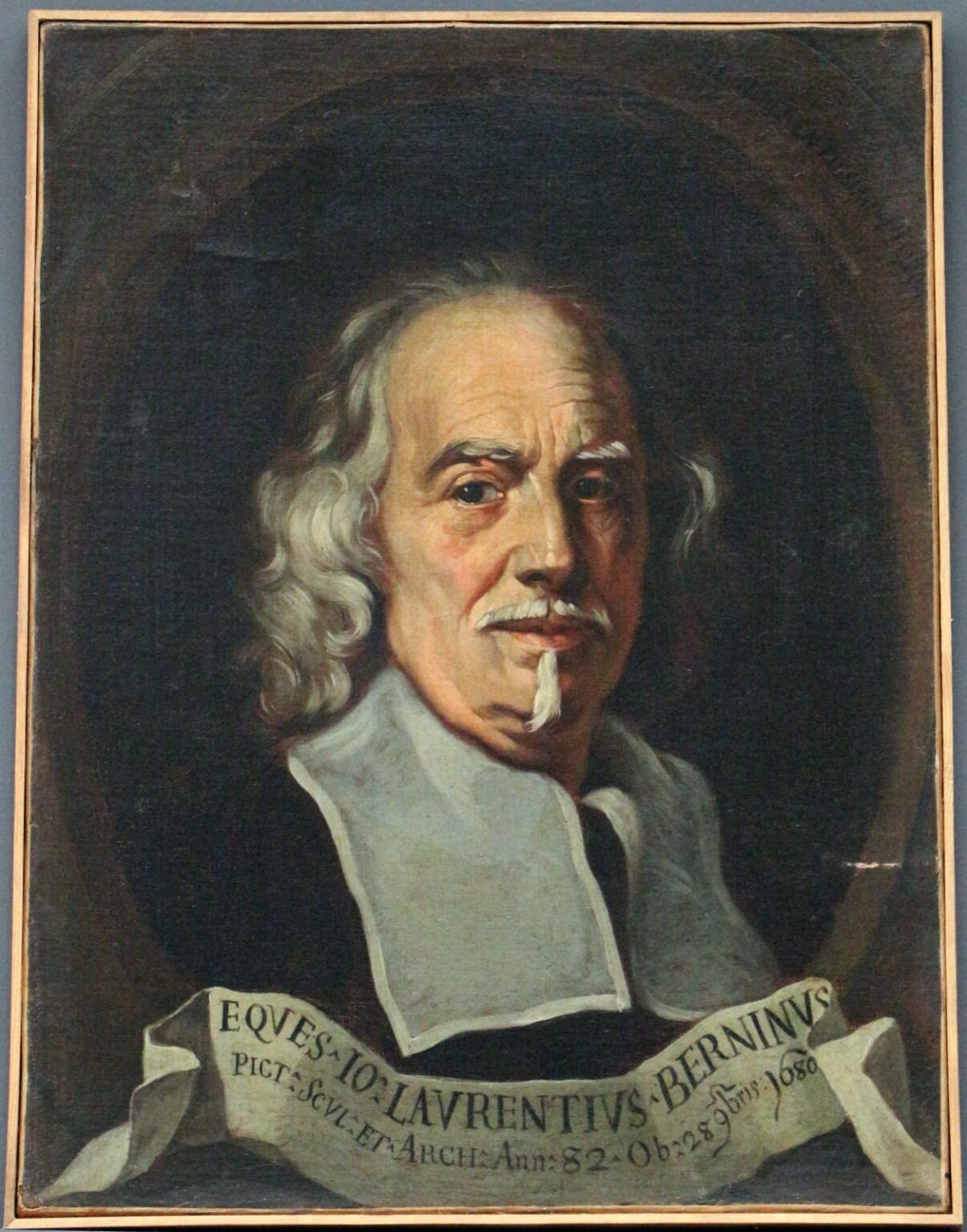
A provocative question opens the most ambitious reflection of the Italian museum summer: Giuseppe Ghezzi can be considered the conceptual great-grandfather of Harald Szeemann? From this question arises Expositio Mundi, the exhibition that from Macerata invites us to rethink what it really means to exhibit a work of art, between physical space, historical memory, and new forms of curatorial language.
Key Points
- The Expositio Mundi exhibition is held in Macerata from July 10, 2026, to January 10, 2027.
- It involves international artists such as Giulio Paolini, Joseph Beuys, Adelaide Cioni, and Fabrizio Cotognini.
- The historical focus is Giuseppe Ghezzi, who in 1676 organized one of the first public exhibitions from private collections.
- The path is distributed over three historical venues: Palazzo Buonaccorsi, the Sferisterio, and the Biblioteca Mozzi Borgetti.
- Interactive installations by Veit Stratmann and Catherine Biocca physically and emotionally engage the public.
Expositio Mundi rethinks the exhibition space
Expositio Mundi is not a simple showcase of works, but a project that questions the very meaning of the act of exhibiting. The exhibition addresses the limits and possibilities of the exhibition space at a historical moment when the idea of physical sharing is challenged by the spread of virtual environments and digital technologies. It is precisely this tension between physical presence and dematerialization that makes the project particularly relevant, transforming the exhibition into a critical laboratory rather than a simple showcase of works.
Main artists and their contributions
A group of international artists, active in different eras and with different languages, has contributed over time to redefining the exhibition as an autonomous critical practice, not just as a container of works. This is the common thread that links the works present in Macerata.
International participants defining the exhibition language
In the entrance hall of Palazzo Buonaccorsi, Giulio Paolini and Joseph Beuys welcome the visitor, placing them, in fact, at the center of the reflection. A little further on, Adelaide Cioni proposes a spatial environment to traverse, where getting lost and finding oneself becomes part of the experience. Refined and incisive is the triptych intervention by Fabrizio Cotognini, who between painting, sculpture, and drawing intertwines history, sacred iconography, and myth, offering a personal reading of the exhibition space as a theater of memory. Completing the constellation of international artists Expositio Mundi are Ed Atkins, Paolo Chiasera, Michele Ciacciofera, Felix Gonzalez-Torres, Jason Hirata, Oliver Laric, Jonathan Monk, Maurizio Nannucci, Laura Paoletti (protagonist of an intervention distributed in the Biblioteca Mozzi Borgetti), Dimitar Solakov, Nedko Solakov, and Agnès Thurnauer.
Interactive installations to engage visitors
The dialogue with the public intensifies in the interactive installations by Veit Stratmann and Catherine Biocca. With the installation Tears Don’t Fall, Biocca transforms the historic halls of Palazzo Buonaccorsi into a vulnerable “body,” crossed by sounds and laments that amplify a sense of emptiness. It is a passage that shifts the exhibition experience from the purely visual to the sensory and emotional, involving the visitor firsthand.
The historical curatorial legacy of Giuseppe Ghezzi
At the conceptual center of the project is a figure little known to most: Giuseppe Ghezzi, painter, writer, and curator ante litteram between the seventeenth and eighteenth centuries. The episode to which the exhibition refers dates back to 1676, when Ghezzi organized an exhibition of Renaissance paintings from private collections in the cloister of San Salvatore in Lauro, Rome.
With that initiative, perhaps without full awareness, the curator Giuseppe Ghezzi inaugurated a model destined to profoundly mark modernity: the exhibition as a tool for cultural dissemination. The curators of Expositio Mundi define him as the first modern curator, emphasizing how he opened masterpieces kept in private collections to the public, transforming the exhibition into a space of access, knowledge, and sharing.
Three hundred and fifty years after that first attempt to put works in dialogue with the public, the Macerata exhibition offers a structured reflection on the role of exhibitions today, with multiple possible interpretations. For those operating in the art market, the reference to Ghezzi is not just a historical exercise: it recenters the cultural and symbolic value that accompanies the transition of a work from private collection to public space, a mechanism that still today influences the reputation and valuation of artists involved in significant museum projects, as demonstrated by the presence in the exhibition of a historical work by Giulio Paolini dated 1963, from the Giulio and Anna Paolini Foundation.
Exhibition venues and curatorial approach
The path of Expositio Mundi develops over three historical venues in the city: Palazzo Buonaccorsi, the Sferisterio, and the Biblioteca Mozzi Borgetti. Curators Lorenzo Benedetti and Giuliana Pascucci use these spaces, already dense with history and strong identity, as a starting point to question the meaning of the act of showing, understood as a democratic medium.
“The Expositio Mundi project is ambitious, in which the artists and their works, many of which were specifically realized through site-specific projects, play a fundamental role,” said curator Lorenzo Benedetti. “The exhibition was also an opportunity to initiate collaborations and dialogues, the outcomes of which have generated new relationships, new possibilities for interpretation, and new meanings.” This approach to the site-specific exhibition in Macerata makes each room not a simple container but an active part of the curatorial discourse, an element that strengthens the bond between work and place.
Exhibition details and schedule
Expositio Mundi, with the full title “The exhibition as a medium,” is hosted in various venues in Macerata (MC) from July 10, 2026, to January 10, 2027. The initiative is promoted by the Civic Museums – Palazzo Buonaccorsi. For those following the sector, the exhibition presents itself as a case study on how public institutions can build curatorial narratives capable of reinterpreting historical and contemporary artists in a common framework, strengthening the attention of collectors and operators towards the names involved.
FAQ
What is the central theme of the Expositio Mundi exhibition?
The exhibition reflects on the meaning and limits of exhibition spaces, exploring them as autonomous languages and critical practices of art.
Who are some of the main artists participating in Expositio Mundi?
Among the key artists are Giulio Paolini, Joseph Beuys, Adelaide Cioni, Fabrizio Cotognini, Veit Stratmann, and Catherine Biocca, along with many other international names.
Which historical figure is central to the concept of the exhibition?
Giuseppe Ghezzi, painter and curator between the seventeenth and eighteenth centuries, known for organizing public exhibitions from private collections in 1676.
Where and when does Expositio Mundi take place?
In Macerata, from July 10, 2026, to January 10, 2027, distributed over three historical venues in the city.
Read also: Heritage Auctions awards a first edition of Harry Potter for $400,000 · The Wannenes auction house opens the modern art auction with 186 lots, from Dalí to Warhol
Content created with the assistance of artificial intelligence and with human editorial review.