

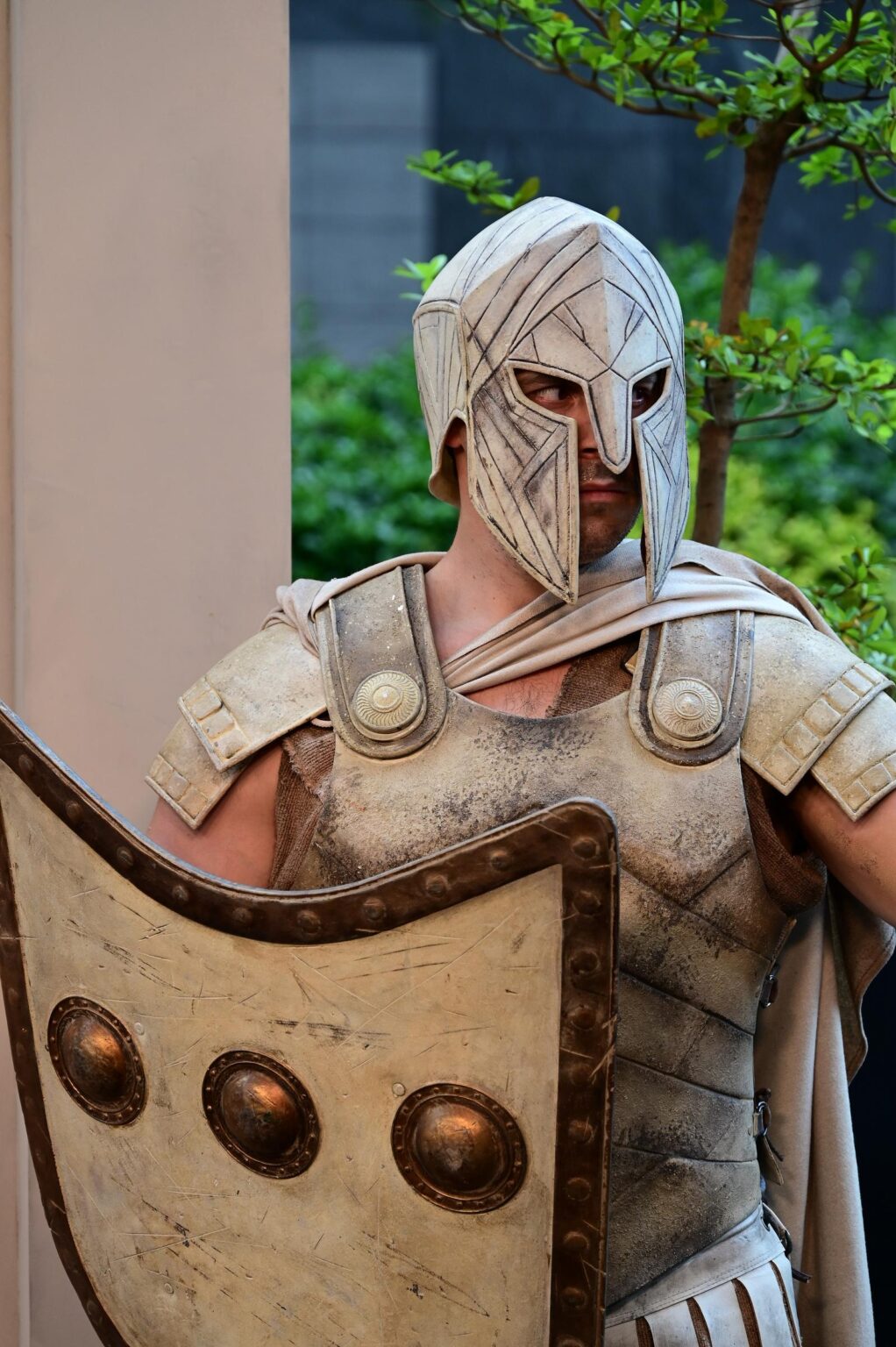
Christopher Nolan, renowned director of cinematic masterpieces, is in the spotlight for his latest project, “The Odyssey”. The film has sparked online criticism for alleged historical inaccuracies in costumes and armor, but experts in classical mythology argue that these complaints might overlook the true meaning of the myths. Nolan, in fact, chose to emphasize a raw and desaturated visual interpretation, adding supernatural elements that bring it closer to the epic tradition compared to other previous film adaptations.
Online criticism of historical inaccuracies in Nolan’s The Odyssey
The film “The Odyssey” by Christopher Nolan has faced online criticism for its historical inaccuracies, particularly in costumes and armor. Viewers noted that elements like Agamemnon’s helmet seemed to come from the wrong era, while Ulysses’ ship resembled a Norwegian drakkar. Despite these observations, the film continues to spark debates about historical fidelity versus mythological narrative.
Criticism of costumes and armor
The criticism has mainly focused on the accuracy of the costumes, which many believe belong to different historical periods than those represented in the poem. However, scholars like Katerina Zacharia emphasize that these choices reflect a tradition of anachronistic reinterpretation typical of artistic representations of Homeric tales.
The Moroccan Ksar Aët Benhaddou as Troy
Another point of discussion was the choice of the Ksar Aët Benhaddou in Morocco as the location to represent Troy. This choice reflects an orientalist cinematic tradition that, according to some scholars, imaginatively transforms historical geographies.
Academic perspectives on myth, history, and cinematic tradition
Scholars assert that the criticisms of historical accuracy miss the crucial point: the eternal and flexible nature of myth. Myths like “The Odyssey” were composed long after the Bronze Age they represent, blending different eras.
Timeless and flexible nature of myth
Dimitri Nakassis, professor of classical studies, argues that myths should be seen as timeless, capable of adapting to different eras to maintain their relevance.
Oral tradition and anachronistic layers
The oral tradition has always incorporated anachronistic elements, and Nolan’s film is no exception. This practice continues a tradition of layering that dates back to the Homeric poems themselves.
Nolan’s film continues artistic traditions
Like past artistic representations, the film mixes different eras, reflecting the ability of myths to adapt and resonate in the present time.
Visual style, themes, and casting choices in Nolan’s adaptation
Nolan chose a raw and desaturated visual style, an approach that moves away from historical realism to offer a more modern and symbolic representation. Additionally, the film includes supernatural elements and features a casting that embraces modern understandings of race and gender.
Raw and desaturated visual realism
The film’s visual style has been described as a “texture realism,” trading the vibrant colors of antiquity for earthy and desaturated tones.
Included supernatural elements
Compared to previous adaptations like “Troy” from 2004, Nolan’s “The Odyssey” includes gods and supernatural elements, aligning more closely with the original epic tradition.
Modern representations of race and gender in casting
Casting choices, such as that of Lupita Nyong’o, reflect a modern understanding of race while maintaining the tradition of updating epic imagery.
Emphasis on trauma and performance
The film explores modern themes such as trauma and performance, reinterpreting the epic through a contemporary lens.
Emily Wilson’s translation and its impact on the film
The film’s screenplay is based on the 2017 translation by Emily Wilson, which has received both praise and criticism for its modern colloquial style. This translation has significantly influenced the way the film tells the story, bringing a new immediacy to the Homeric style.
FAQ
Why has Christopher Nolan’s film The Odyssey received criticism for historical accuracy?
The film has faced online criticism for anachronisms in costumes and armor, which do not correspond to the Bronze Age era represented in the poem.
How do scholars respond to the criticisms of historical accuracy in Nolan’s The Odyssey?
Scholars argue that myths, like The Odyssey, are timeless and flexible, and Nolan’s film continues a long tradition of anachronistic reinterpretation.
What is the role of Emily Wilson’s translation in Nolan’s film?
The film’s screenplay is based on the 2017 translation by Emily Wilson, which uses direct and colloquial English; this choice has received both praise and criticism.
How does Nolan’s film handle themes and casting compared to traditional representations?
The film emphasizes themes such as trauma and performance, and reflects modern views on race and gender, in line with historical traditions of updating epic stories.
Read also: The rediscovered treasure of Hans Baldung Grien goes up for auction in Paris · Dalì, old sultan: rediscovered watercolor sold for 45,700£
Content created with the assistance of artificial intelligence and human editorial review.