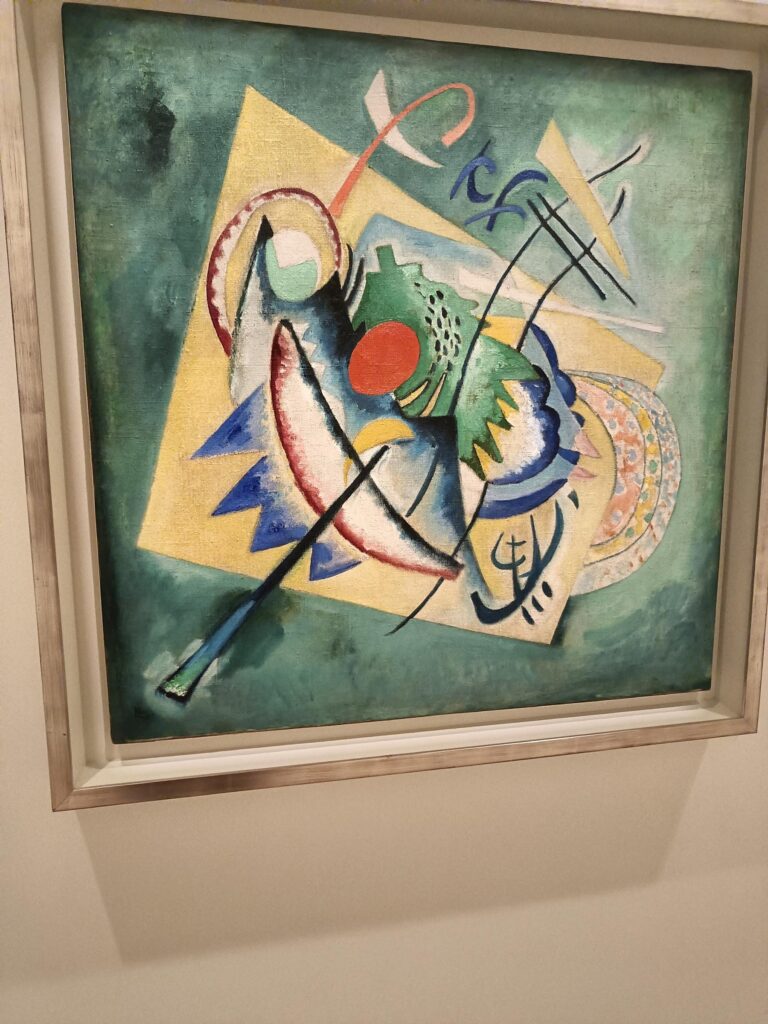
Private art auctions are experiencing strong growth and have totaled 206 million euros in October 2024, marking a turning point for the art market that combines confidentiality and return.
Why are private auction houses growing?
First of all, collectors and institutional clients now favor discretion. Furthermore, market volatility has pushed many parties to prefer negotiations that reduce public exposure. As a result, auction houses are reorganizing their offerings to provide tailored services and greater customization.
Additionally, digitalization has expanded cross-border access: today online platforms and private channels make it possible to connect selected buyers without going through a public catalog. This mix of factors explains the growing weight of private sales in the art market private sales.
Who are the key players behind this growth
Operators and executives mentioned in the analyses include Adrien Meyer (Christie’s), Alexandre Millon (Millon), Mario Tavella (Sotheby’s Europe), and Augustin de La Brosse (Gallery Manager, Salon Sotheby’s).
They point to a demand that mixes historical collectors and new investors, attracted by the possibility of dealing privately.
What role do private art sales play in the market
Private art sales have become a strategic channel for valuable lots, especially when provenance or discretion are central elements. Moreover, this approach allows for deeper negotiations and sometimes more advantageous conditions compared to public auctions.
For example, some houses offer thematic mini-sites or showrooms where pieces are offered at a fixed price, while others maintain lists without images to select suitable buyers. Therefore, the market is segmenting according to hybrid models of showcase and hammer.
What is the impact on traditional auction houses?
Historic houses operate on multiple fronts: in-room sales, online sales, and private channels. For instance, analyses indicate a general decline in public sales in some segments, with Christie’s down 16% and Sotheby’s down 29% in October 2024; however, both have recorded significant increases in private sales, demonstrating a strategic reorientation.
In fact, many auction house private sales are experimenting with dedicated departments, showrooms, and thematic mini-sites. By doing so, they aim to capture targets such as decorators and international collectors, without sacrificing brand solidity.
How do private art auctions work
Private auction confidential sales involve direct negotiations, invitation-only presentations, and pre-negotiated contracts. In this context, confidentiality private auction transactions is ensured by buyer selection processes and contractual conditions that protect the parties.
In practice, the service includes confidential appraisals, appointment-only previews, and the use of guarantee tools such as escrow. Additionally, clauses on commissions and buyer’s premium are often agreed upon on a case-by-case basis.
Online platforms for private sales: what role
Online platforms private sales play an international matchmaking role. Therefore, they expand the pool of potential buyers and make private negotiation feasible on a global scale. Consequently, operations are more efficient and often faster.
The numbers of this evolution
The key numbers from the French source are clear: the French market for private sales totaled approximately 206 million euros in October 2024. Furthermore, private sales have recorded significant percentage increases in different segments, amounting to +41% and +17% in the categories indicated by international houses.
- 206 million euros — total revenue reported for the channel in France.
- +41% and +17% — increases in private sales in specific segments indicated by major houses.
- Strong market shares in favor of major international houses, which hold a significant portion of the total revenue.
That said, the monetary data reported in dollars by individual houses have been cited in the source and require direct comparison with official reports for complete conversion and contextualization.
What does this mean for collectors, auction houses, and institutions?
For collectors, private sales offer discretion and the possibility to negotiate tailored conditions. For auction houses, it means rethinking private auction house strategies and investing in technology and teams. For cultural institutions, finally, the growth of this channel raises questions of transparency and historical traceability of works.
From an operational standpoint, as a consultant, I can confirm that our experience demonstrates the effectiveness of targeted previews and comprehensive documentation to build trust. Additionally, private negotiations require rigorous due diligence processes to ensure compliance and legal protection.
Risks and opportunities
Opportunities include access to selected buyers and greater value retained for the seller. However, risks involve lack of transparency and potential regulatory issues, particularly on the anti-money laundering and transaction declaration front.
To mitigate risks, it is necessary to combine confidentiality with adequate control and reporting procedures. Only in this way can the private channel grow sustainably and credibly.
Outlook
The trend will likely continue, driven by private demand and digital innovation. Therefore, private auction house strategies will need to balance discretion and trust, offering legal guarantees and quality post-sale services.
To delve into data and analyses, it is advisable to consult dossiers and insights available on econique.art/approfondimenti and on econique.art/analisi. Additional services and updates are available on econique.art/servizi/consulenza and econique.art/news/aste-private. Finally, the statements from the houses provide practical context, such as those published by Christie’s and Sotheby’s.
In conclusion, private auction sales are redefining how value is negotiated and transferred: discretion, customization, and technology are the key words of this new phase of the art market.