

Stories on the brink: millions of archives remain unaccounted for. Italy’s industrial heritage is still largely invisible, yet recovering it could open up new opportunities for businesses and the cultural sector
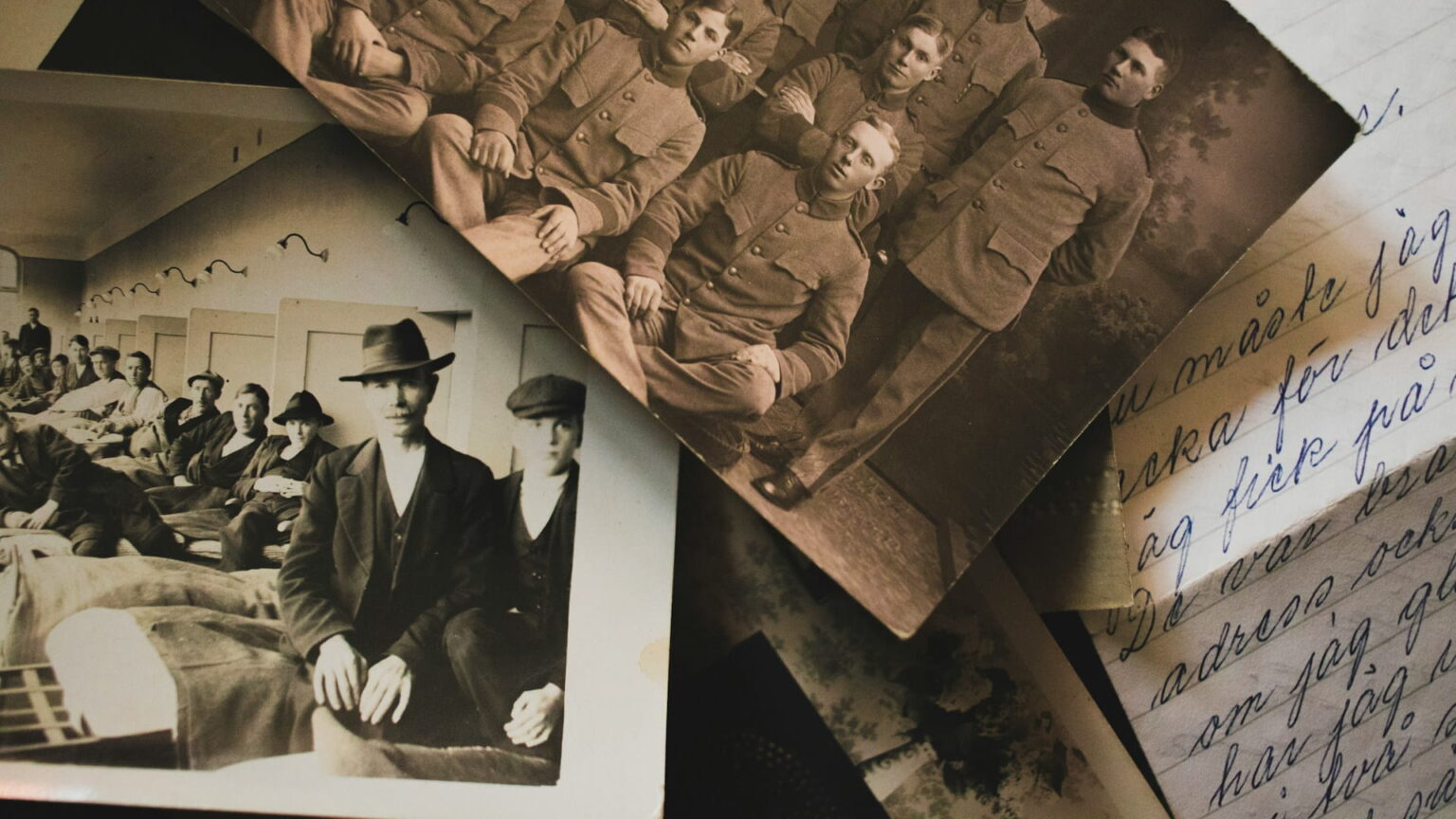
Old product catalogues, historical photographs, technical drawings, advertisements, correspondence, and accounts from founders and workers tell an essential part of Italy’s economic history. These documents trace the evolution of products and manufacturing processes, while also revealing how businesses interpreted their times, reshaped their relationships with local areas, and contributed to wider social transformations. Yet a substantial part of this heritage remains hidden away in little-known places, while some of it has already been lost.
In a production system characterised by the widespread presence of family-owned businesses, corporate memory often remains confined within the organisation itself, entrusted to photographic albums, private archives, and materials preserved without a structured plan for safeguarding and making them accessible. The scale of this “trend towards oblivion” is difficult to quantify precisely, but fragmented cataloguing initiatives and documented cases of vanished archives reveal the extent of an issue that also affects the availability of cultural resources for the economic system.
The Italian Ministry of Culture’s Archivi d’impresa portal contains descriptions of more than 2,000 archives. This figure takes on particular significance when compared with Istat statistics for 2024, which record more than 4.5 million active enterprises in industry and market services. The two figures refer to different populations and do not allow us to determine how many business archives are missing from existing surveys. They nevertheless offer an indication of the vast amount of heritage that remains to be identified and studied, knowledge of which could contribute to a more comprehensive reconstruction of the country’s economic history.
This gap between existing heritage and documented heritage raises a question that also concerns the cultural economy: what resources remain unproductive in cultural and social terms when a company’s memory is neither recognised nor organised and made accessible? The answer concerns the preservation of industrial history, but also the opportunities that may emerge when this heritage is brought into active use.
What remains outside the Archives: between Oblivion and Inaccessibility
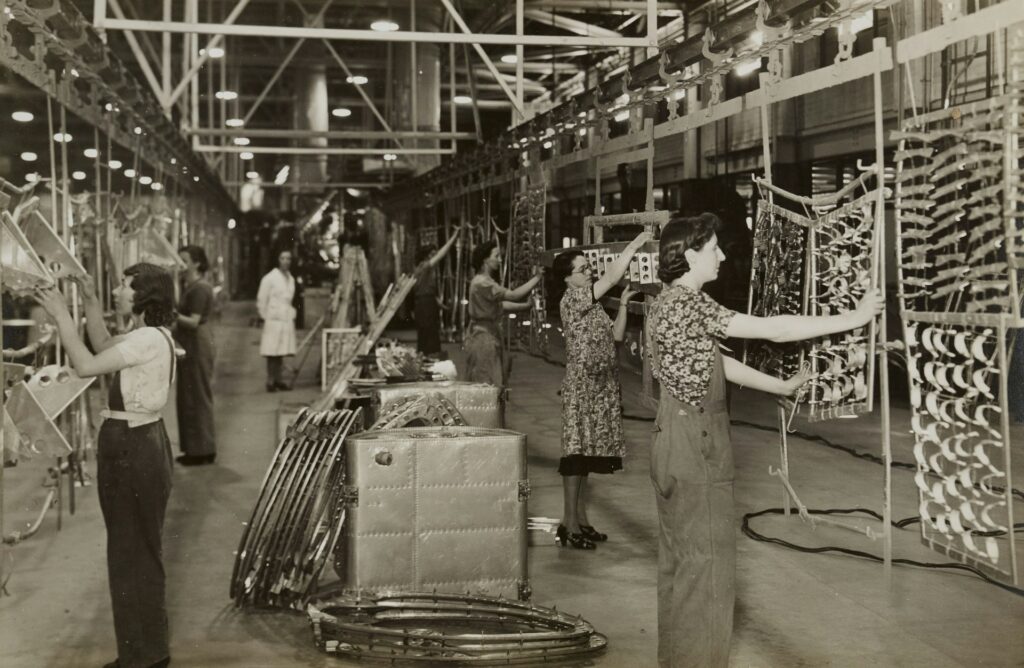
The protection of business archives in Italy has a well-established history. The first declaration recognising an archive as being of considerable historical interest dates back to June 1964 and concerned the archive of the Cartiere Miliani paper mills in Fabriano. In subsequent years, the Italian archival administration and various local institutions promoted surveys, inventories, and heritage initiatives. In Piedmont, for example, an archival survey project produced descriptive records for more than 300 companies and an archive containing approximately 4,000 digital images. These are significant achievements, which also illustrate the scale of the work required to identify and make accessible such an extensive body of material.
The case of Venchi Unica, a historic Turin-based confectionery company, illustrates the consequences of protection arriving too late. Following the company’s bankruptcy, its paper archive could not be recovered because the premises had been abandoned and had deteriorated, with fires and further damage compounding the situation. Only a photographic album containing 88 images and a number of advertising films survived, and these are now held by different institutions. A complex industrial history has therefore been left with only partial documentation, made all the more valuable by the loss of much of the material that could have completed the picture.
Physical destruction is only one of the ways in which corporate memory can disappear. An archive may survive and still remain inaccessible, held in private hands without digitisation or inventories available for consultation online. Public archives, too, despite preserving documents essential to reconstructing economic and social history, may be difficult for non-specialist audiences to access.
A gap therefore emerges between preservation and knowledge, one that requires professional expertise, resources, and cultural decisions capable of turning the availability of documents into genuine opportunities for research and public engagement.
Continuity of management makes the issue more complex. The preservation of corporate memory often depends on the sensitivity of individual entrepreneurs, decisions made by those leading the organisation, or the commitment of people who take it upon themselves to safeguard documents and testimonies. When a business ceases operations, changes ownership, or shifts its economic priorities, its heritage may lose the organisational framework that sustained it. A company’s history, until then closely connected to its activities, is left without a recognised structure to ensure its transmission to future generations.
The issue therefore also concerns models for managing privately held cultural heritage. Cataloguing, digitisation, and conservation require investment and specialised expertise, while their benefits can extend far beyond a company’s own documentary needs. An organised archive can become a resource for historical research, cultural programming, and the reconstruction of a region’s industrial development. Recognising this plurality of functions means understanding corporate memory as part of the collective cultural heritage, whose protection requires a long-term perspective.
From Corporate Identity to Industrial Tourism: the value of a documented history
Business archives also raise questions about how companies build their identities and define their market positioning. In markets where many brands draw on similar values and narratives, corporate history can provide distinctive elements that are difficult to replicate: manufacturing techniques, product transformations, relationships with local areas and collective history, professional figures, and milestones that have shaped an organisation’s development. For these resources to contribute to a company’s distinctiveness, however, they must be documented and interpreted, so that the past does not become little more than a collection of evocative images.
Longevity alone does not guarantee a meaningful narrative. A company anniversary may turn into an exercise in self-celebration, whereas an archive makes it possible to reconstruct continuities and discontinuities, using documentary evidence to show the changes that accompanied the organisation’s growth. Memory becomes relevant when it provides tools for understanding the present and encourages a more considered relationship between a brand’s identity and the people with whom it engages.
From this perspective, making archives accessible and meaningful can be understood as a cultural investment with potential strategic benefits. Historical sources provide the basis for editorial content, exhibitions, and visitor itineraries, offering new ways to engage with a company’s history. The value generated depends on how these materials are organised and connected with different audiences: the mere existence of an archive does not, in itself, guarantee greater visibility or a competitive advantage. The quality of the research and the ability to create relevant experiences are what establish the conditions for credible heritage enhancement.
Data on industrial tourism presented by Museimpresa in May 2026 help illustrate the potential of this heritage. According to the Observatory promoted by the association and developed with scientific support from Nomisma, corporate museums and archives, together with industrial archaeology sites, recorded more than five million visitors in 2025, generating an estimated overall economic impact of one billion euros. The survey covers these specific institutions and sites rather than the entire body of corporate historical heritage, but it documents the existence of an audience interested in industrial culture and an area of activity capable of generating benefits for local communities and territories.
Industrial tourism demonstrates how the history of production can enter broader cultural and economic circuits, creating opportunities for public engagement that bring businesses, institutions, and local communities together. For companies, this opens up the possibility of connecting their heritage with local itineraries and cultural projects. For professionals in the sector, it offers a field in which historical research, curatorial practice, and content production can contribute to the creation of new experiences. The sustainability of these initiatives, however, depends on the continuity of activities, the quality of their content, and the ability to reconcile documentary preservation with public accessibility.
Contemporary Art and Archives: from preservation to cultural reactivation
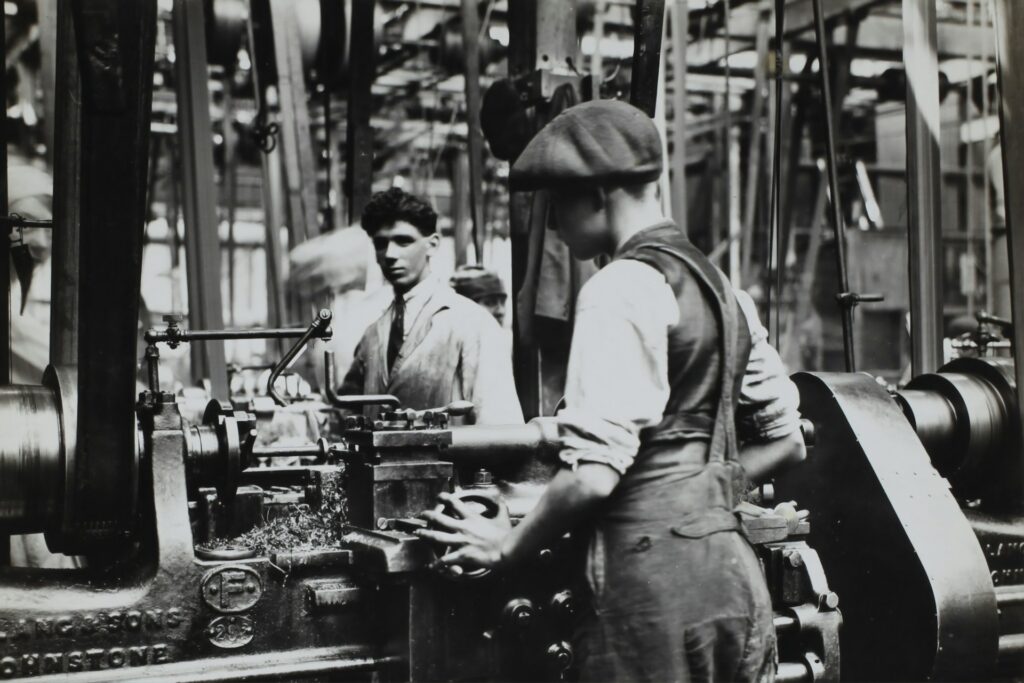
This is where contemporary art can play a specific role, helping to make materials accessible and legible that would otherwise remain confined to inventories or private spaces. Photographs, films, objects, and documents can become starting points for exhibitions, installations, audiovisual works, and research projects that connect a company’s history with broader questions, ranging from labour and social change to industrial landscapes and the relationship between technology and everyday life.
Artistic intervention introduces a different mode of interpretation from strictly documentary approaches. An archive organises and preserves the traces of productive activity; an art project can rework these materials, bring unexpected relationships to light, and present them to the public through a visual or narrative experience.
Corporate history thus becomes a subject for cultural research, capable of connecting an organisation’s memory with a collective dimension and offering new perspectives on its role within the surrounding territory.
This possibility is also relevant to the art world in professional terms. Collaborations between businesses, artists, curators, archivists, and cultural institutions can create opportunities for research and production, broadening the contexts in which artistic work is commissioned, presented, and discussed. The quality of these collaborations depends on clearly defined objectives, recognition of the expertise involved, and the availability of adequate resources. When a project is built around a tangible documentary heritage, art can help bring it to wider public attention and establish new relationships between an organisation and its surrounding territory.
At the same time, the different functions involved must remain distinct. Art can interpret and reactivate an archive, improve its accessibility, and establish new relationships with audiences; conservation, cataloguing, and historical verification require specialised expertise and must precede or accompany the creative intervention. Artistic enhancement derives its strength precisely from its relationship with documentary research, which supports the quality of the work and prevents heritage from being reduced to mere scenographic material for corporate communication.
Considering archives as cultural resources therefore broadens the way a company’s heritage is assessed. Alongside their historical function, archives can offer opportunities for market positioning, public engagement, and collaboration with the cultural sector, although these outcomes are neither automatic nor always translatable into financial indicators. The value of a project also lies in its ability to make a body of memory accessible, support new cultural productions, and sustain a meaningful relationship with the audiences involved over time.
One fundamental question remains open: how many corporate histories still need to be identified, and how many remain unknown despite having been preserved? Before embarking on a heritage enhancement project, corporate memory must be recognised as part of the country’s cultural heritage, carrying a responsibility that extends beyond the boundaries of any single organisation. For businesses, this may mean integrating their history into a long-term vision; for the cultural sector, it means identifying sustainable ways to make that history accessible and transform it into material for research and artistic production. It is through this relationship between preservation, knowledge, and cultural reactivation that a frequently invisible heritage can acquire a new function in the present.
Read also: The Tiffany Studios lamp base aims for $500,000 at Heritage · Law on the art market in South Korea: 5,000 businesses, chaotic start


